


Find the best time to visit Taiwan with James’s tips on weather, cherry blossoms, and seasonal sights.
From spring flowers to winter hot springs, discover what makes each season special. With a private car tour and a route planned around the weather, you can travel comfortably, explore at your own pace, and enjoy Taiwan in every season.
Table of Contents
ToggleWhen Is the Best Time to Visit Taiwan?
For most first-time travelers, October to November and March to April are great choices.
Daytime temperatures in many cities are often around 20–28°C (68–82°F), making it comfortable to explore temples, night markets, mountain towns, and coastal roads.

But here is the fun part: Taiwan feels different in every season. Spring brings flowers and fresh green mountains. Summer is hot, lively, and filled with tropical fruit. Autumn is made for scenic drives, while winter is perfect for hot springs and warm bowls of beef noodle soup.
Still, the best time to go to Taiwan depends on the trip you have in mind:
| What You Want to Do | Good Time to Visit | What to Expect |
|---|---|---|
| First visit and general sightseeing | October–November | Comfortable temperatures and easier outdoor travel |
| Spring flowers and cherry blossoms | January–March, depending on location | Cool to mild weather and changing flower dates |
| Explore Taipei and nearby towns | October–early December or March–April | Good walking weather, with some possible rain |
| Visit beaches and islands | Late spring–summer | Hot weather, strong sun, and possible storms |
| Enjoy hot springs | Late autumn–winter | Cooler weather, especially in northern Taiwan |
| Travel around southern Taiwan | Late autumn–spring | Warm days without the strongest summer heat |
Weather can change from year to year, so these periods should be treated as a guide, not a promise. Check the local forecast again before your Taiwan trip, especially if you plan to visit the mountains, east coast, or offshore islands!
Understanding Taiwan Climate
Taiwan is a small island, but its weather is not the same everywhere. The north, south, east, west, and mountain areas can feel very different on the same day.
The Taiwan climate is warm and humid for most of the year. Taiwan’s Tourism Administration gives an annual average temperature of about 22°C (72°F).
In summer, lowland temperatures often reach around 29–33°C (84–91°F). During winter, lowland temperatures are commonly around 12–20°C (54–68°F).
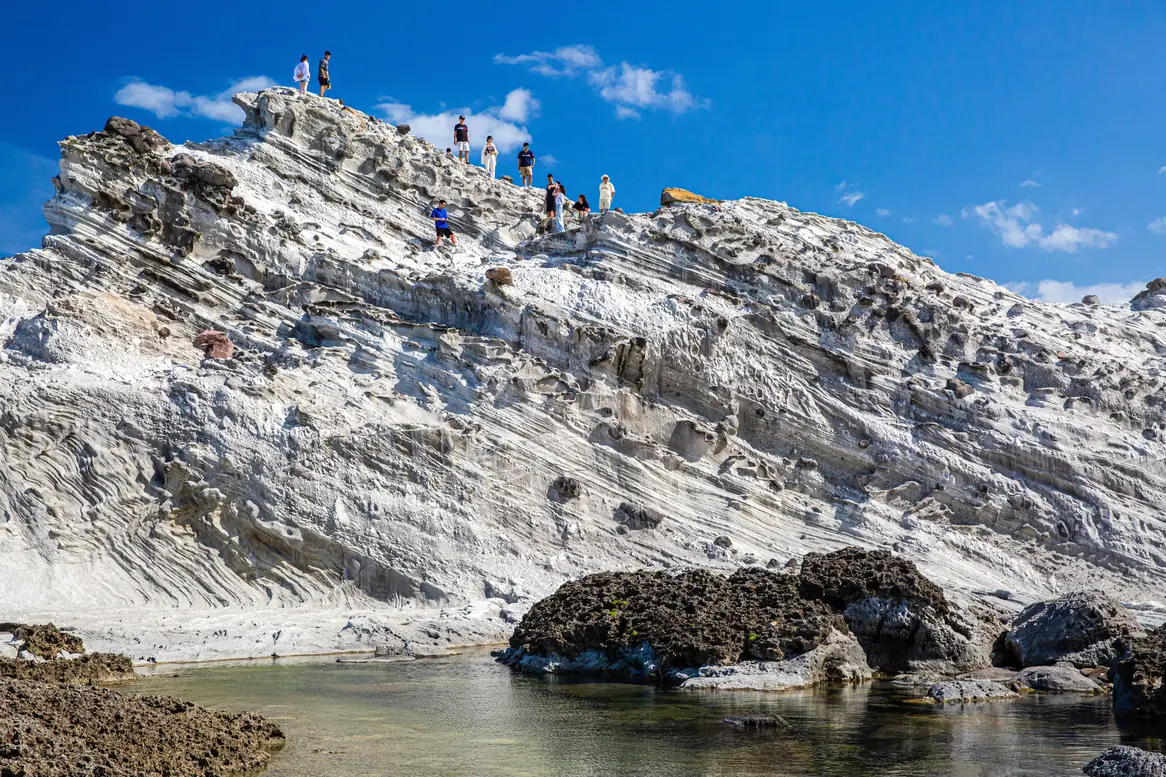
Humidity is an important part of the experience. A summer temperature of 32°C may feel much hotter when the air is humid. In winter, a rainy day at 15°C can feel colder than visitors expect, especially in Taipei.
So, even if 15°C sounds comfortable to you, remember to bring a jacket—and don’t let a chilly, rainy day catch you by surprise!
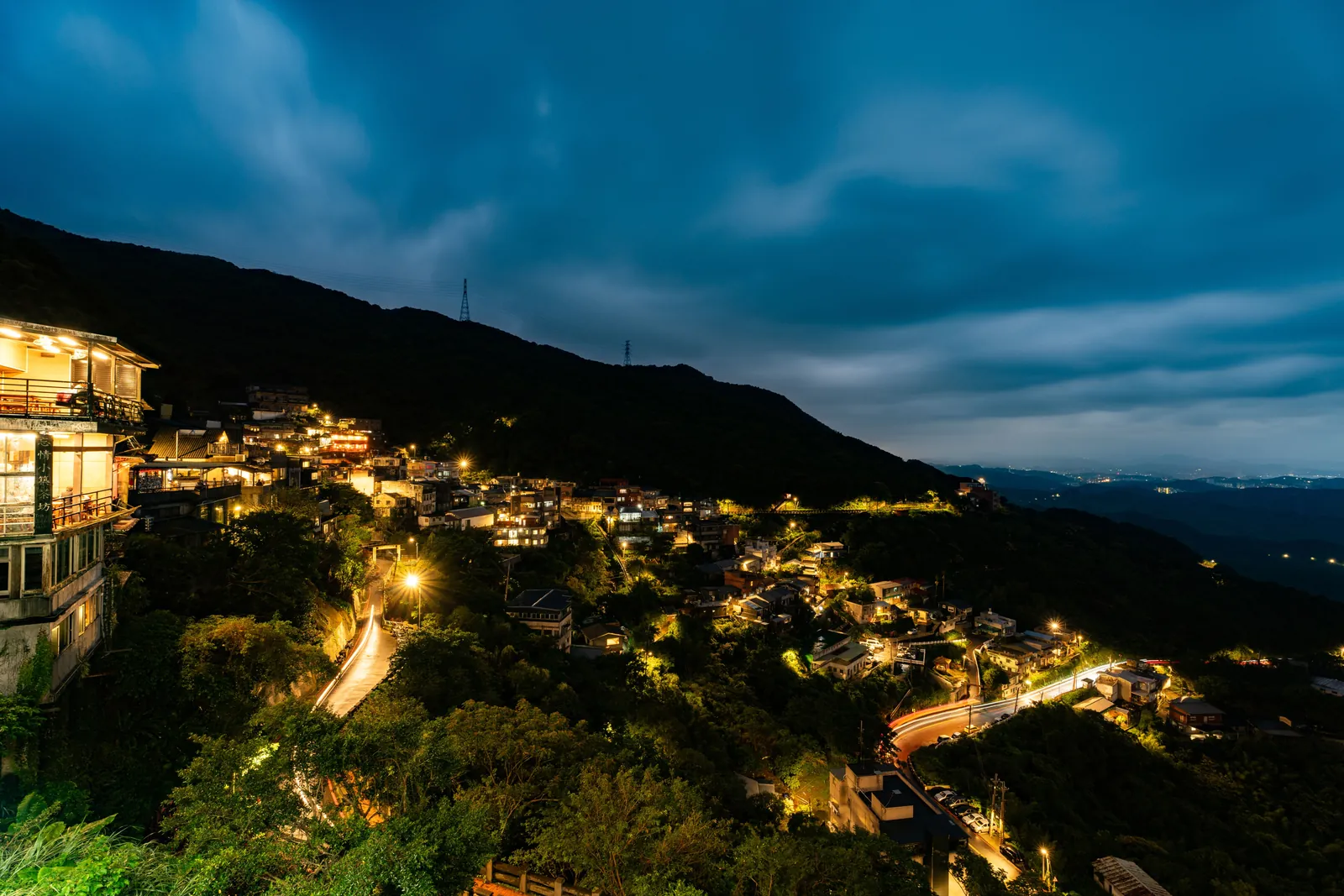
Northern Taiwan
Taipei and the rest of northern Taiwan are often wetter than the south. Winter days may be cloudy, windy, or rainy, even when the temperature does not look very low.
Spring and autumn are usually easier for walking around the city. Summer can be hot and humid, with temperatures often rising above 30°C (86°F).
Places in the hills, including Jiufen and Yangmingshan, may be cooler and wetter than central Taipei. A light rain jacket is useful even when the city forecast looks comfortable.

Central Taiwan
Central Taiwan includes popular places such as Taichung, Sun Moon Lake, Qingjing Farm, and nearby mountain areas. Taichung often has drier and warmer winter weather than Taipei, but the temperature drops as you travel into the mountains.
Sun Moon Lake may feel pleasant during the day and cooler after sunset. Qingjing Farm and higher mountain stops can be cold in winter, so packing an extra layer is a good idea.
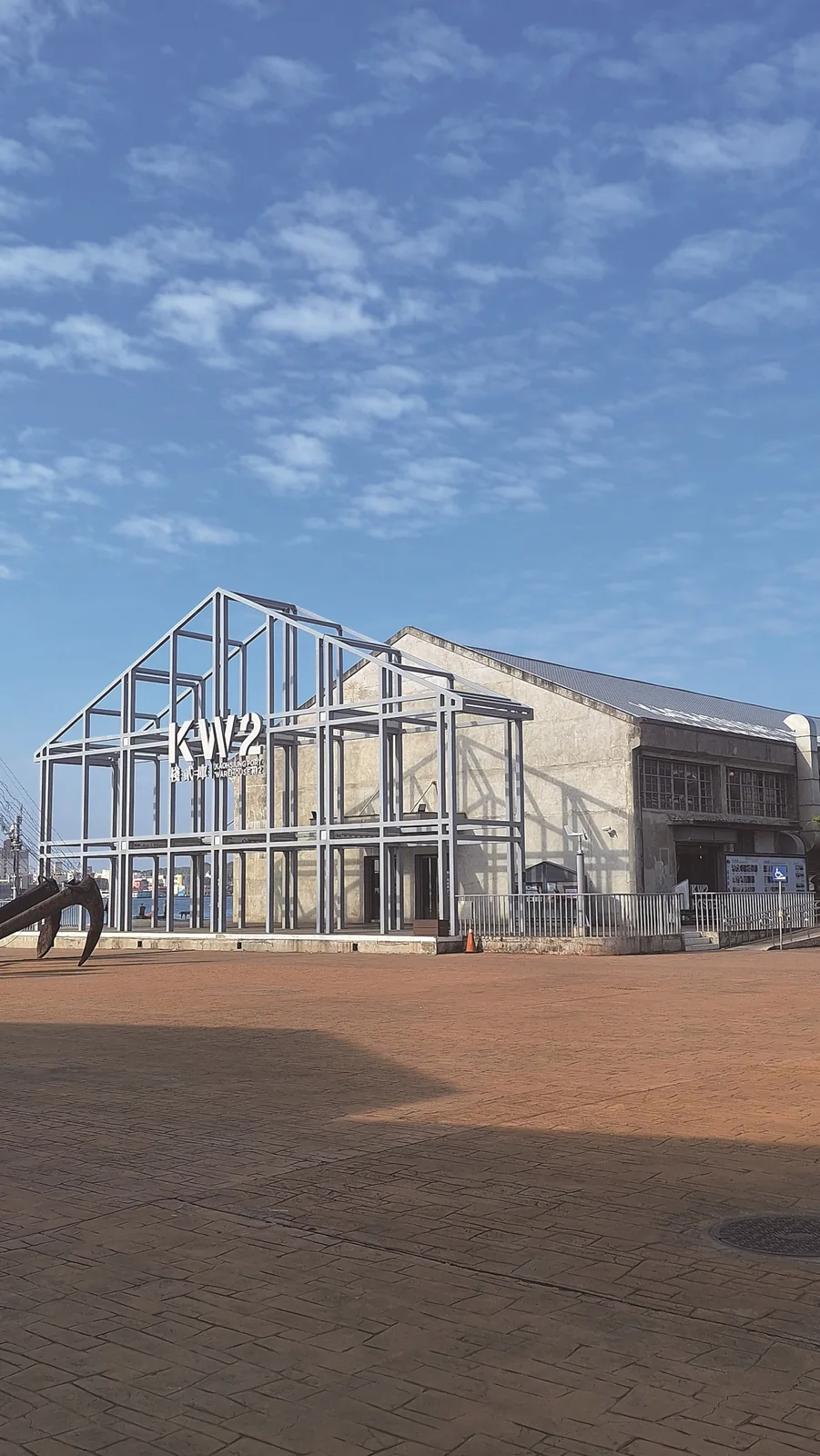
Southern Taiwan
Tainan, Kaohsiung, and Pingtung are generally warmer than northern Taiwan. Winter days may reach the low to mid-20s Celsius (about 70–77°F), making this a popular season for walking, eating outdoors, and visiting historic neighborhoods.
Summer is much hotter. Strong sun and high humidity can make a full day outside tiring, so start early, take breaks, and carry water.
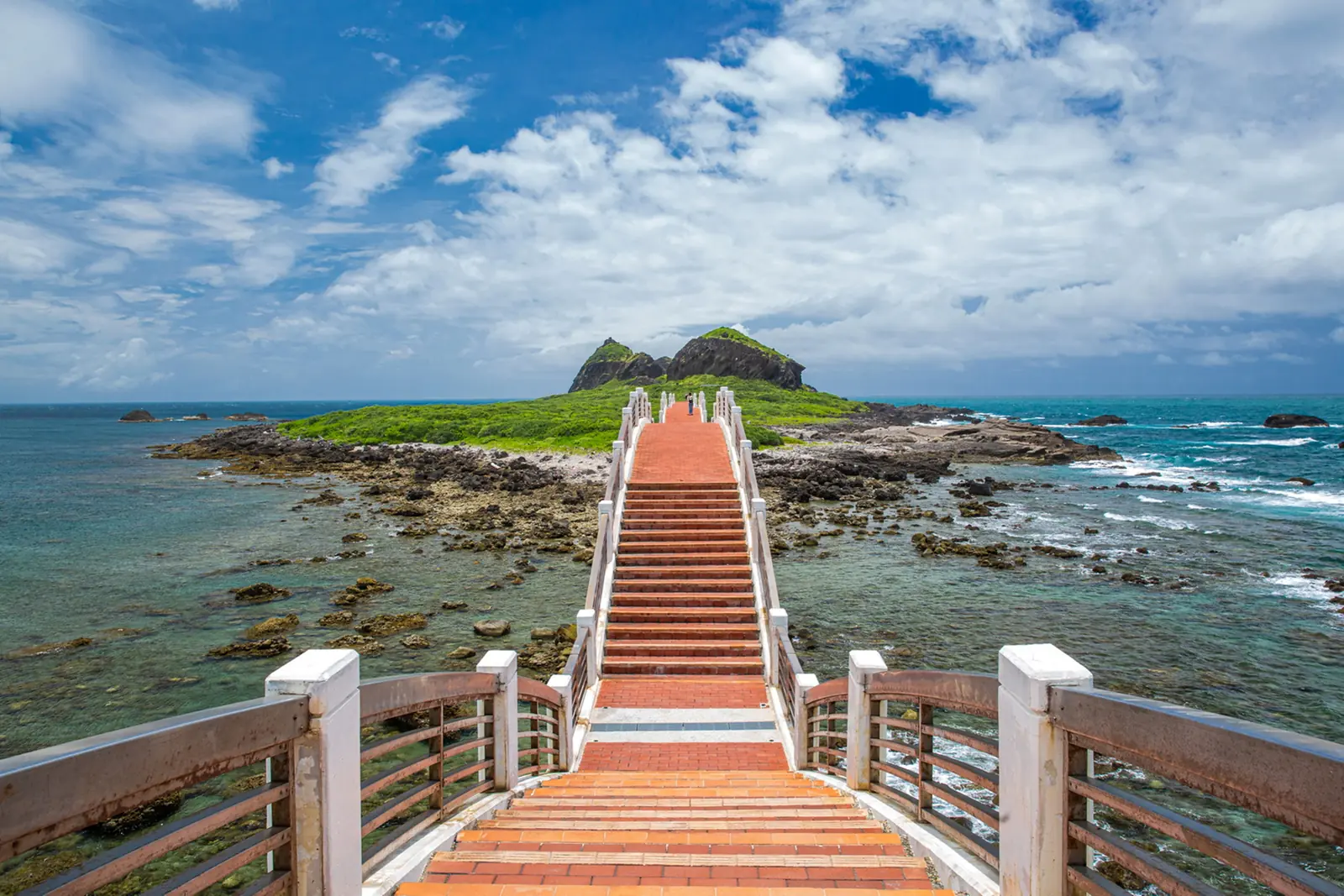
Eastern Taiwan and the Mountains
Eastern Taiwan is known for its mountains, valleys, and Pacific coastline. The scenery is beautiful, but heavy rain can affect roads and outdoor plans.
Mountain temperatures can also be far lower than city temperatures. A warm morning in Taipei does not mean it will be warm in Alishan or Hehuanshan. Check the forecast for the exact place you are visiting rather than using a general Taiwan forecast.
Taiwan in Spring: Flowers and Fresh Mountain Views
Spring usually covers March to May, although the weather begins changing earlier in some areas.
March and April are often mild, with daytime temperatures in many cities around 20–27°C (68–81°F). This is a pleasant time for city travel, mountain scenery, tea country, and flower viewing.
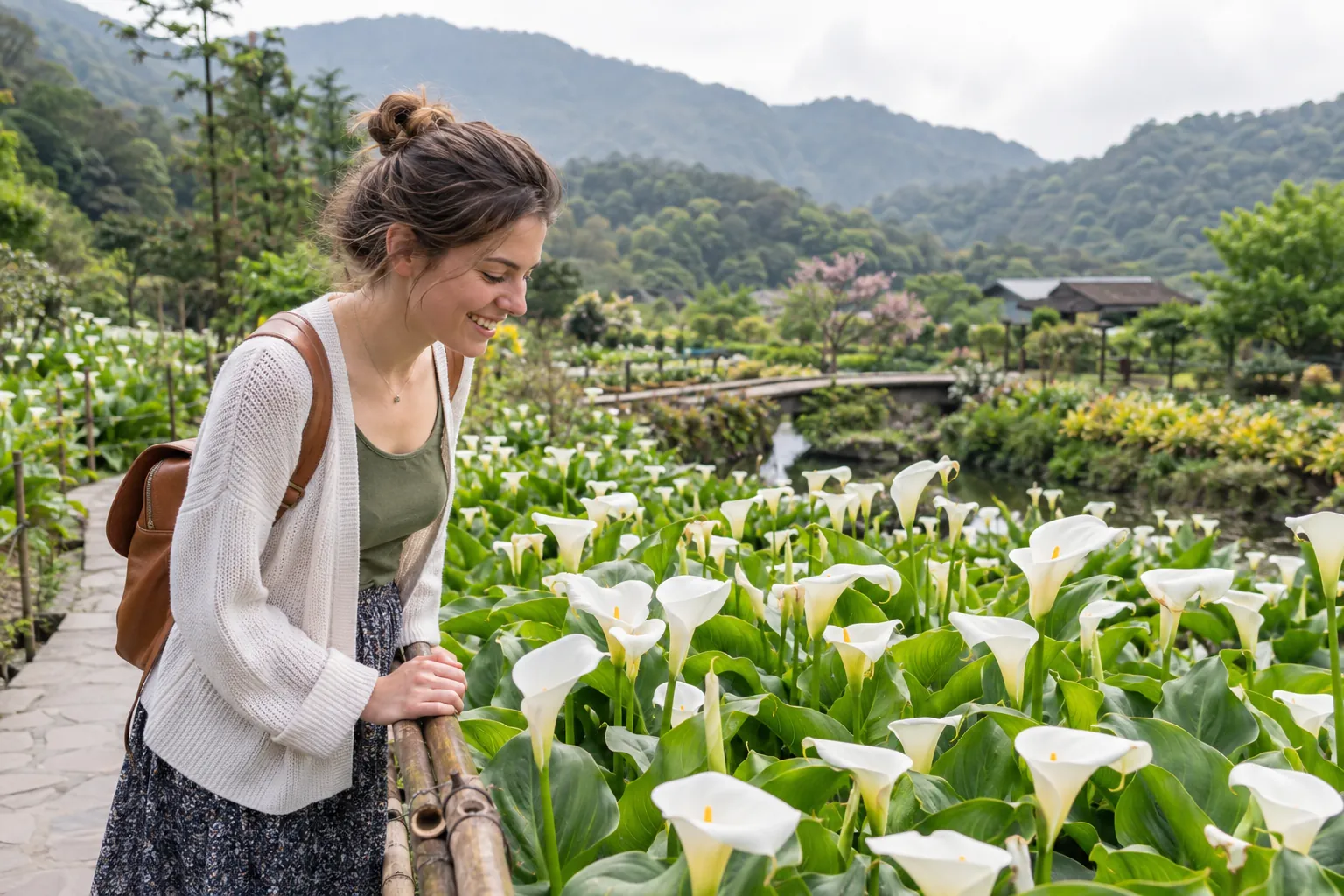
Northern Taiwan may still have cloudy or rainy days, so it is wise to carry a small umbrella. Rain and humidity usually increase as May approaches. Taiwan’s plum rain period generally arrives from around mid-May to mid-June, although the exact timing and amount of rain change each year.
Spring works especially well for travelers who enjoy nature but do not want to hike or walk in strong summer heat. It is also a good season for a road trip between Taipei, central Taiwan, and the mountain areas.
Cherry Blossom Season in Taiwan
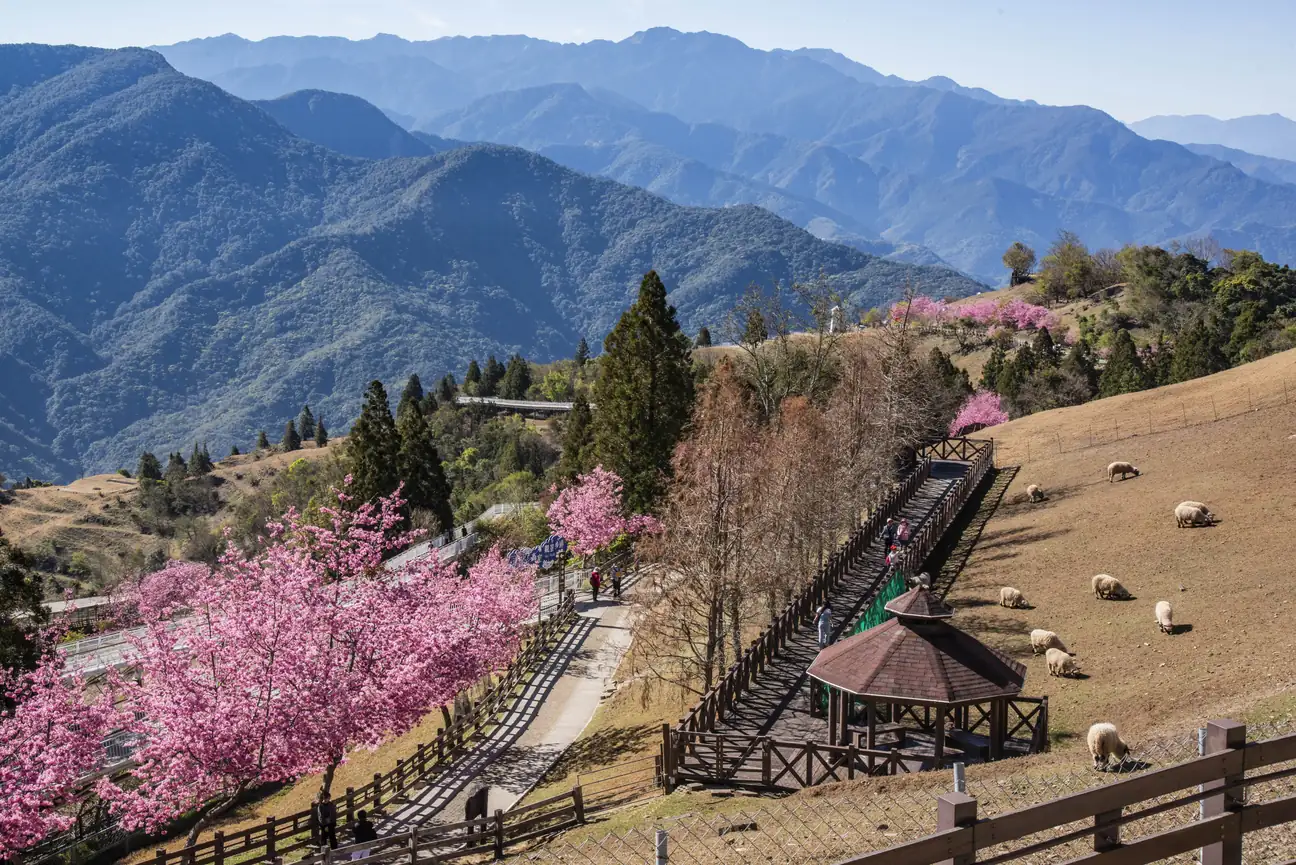
Taiwan’s cherry blossom season does not happen everywhere at the same time. Different types of cherry trees bloom at different times, and height also affects the dates.
Popular locations include Wuling Farm, Yangmingshan, and Alishan. Each offers a different experience:
- Wuling Farm is known for large areas of pink blossoms surrounded by mountain scenery.
- Yangmingshan is close to Taipei and works well as a day trip.
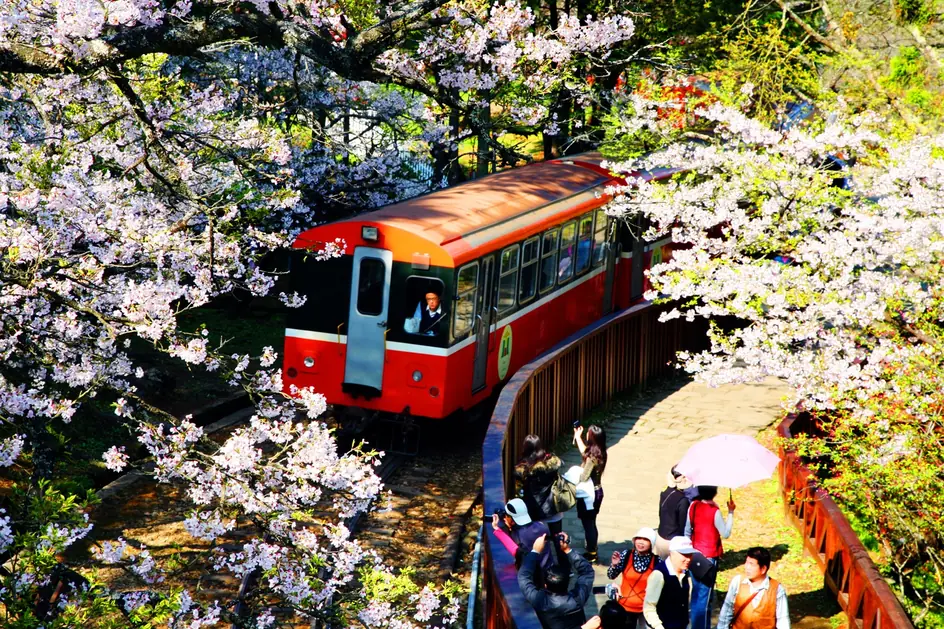
- Alishan combines spring flowers with forest walks, mountain railways, tea, and sunrise views.
Flower dates change every year. Warm weather may bring an earlier bloom, while cold weather may slow it down. Check official flower updates before choosing your travel dates.
Spring is also a busy time in these areas. Roads, parking spaces, and hotel rooms may fill quickly. Some places may introduce traffic controls during the busiest weeks.
If Alishan is part of your plan, James offers an Alishan private tour with ideas for two-, three-, and four-day trips. The route can also connect Alishan with Sun Moon Lake, Cingjing, or other parts of central Taiwan.
Taiwan in Summer: Hot Days and Tropical Energy
Summer usually covers June to August. Temperatures in lowland areas often reach 29–33°C (84–91°F), and the humidity can make the heat feel stronger.
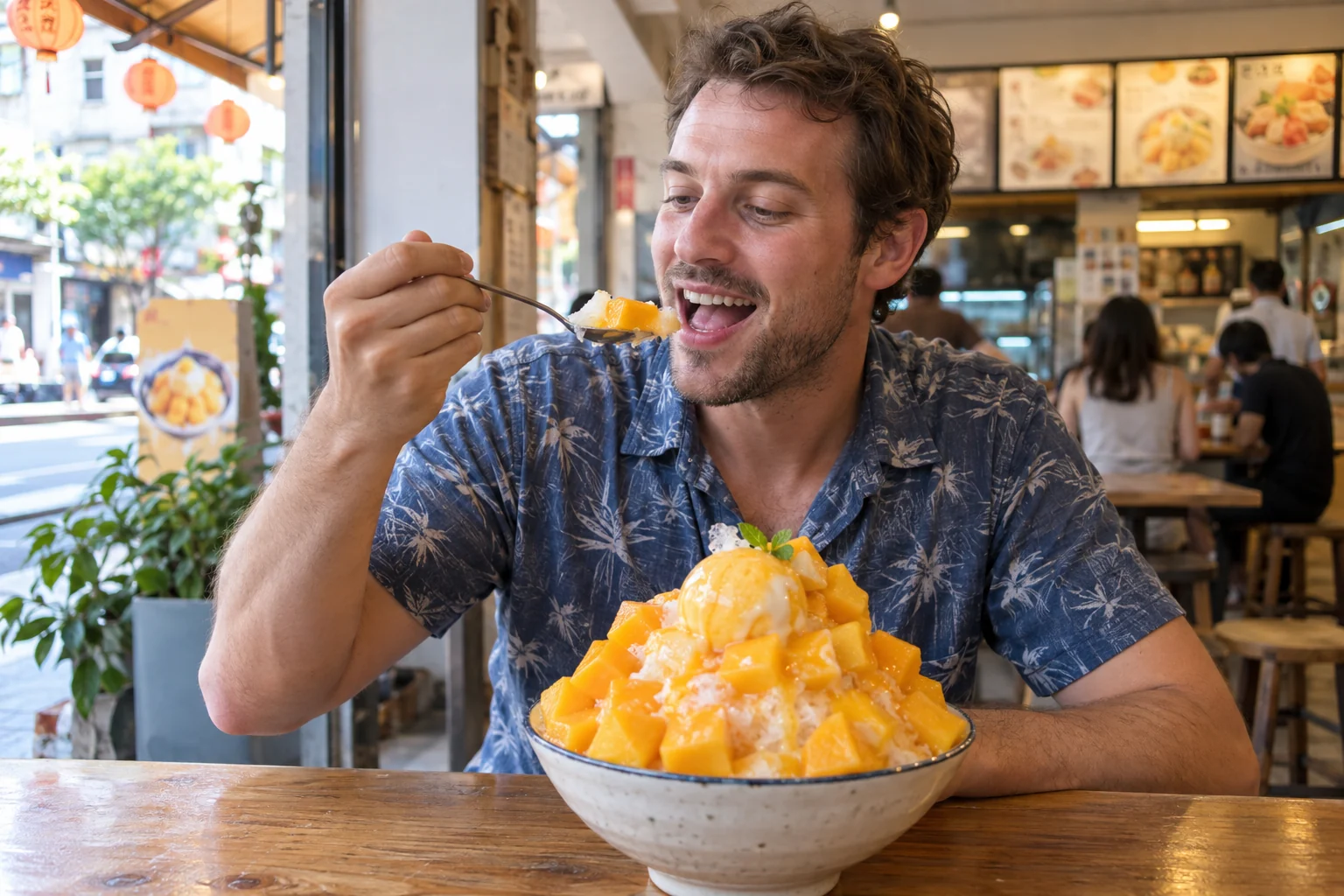
This is the season for cold drinks, mango shaved ice, green mountains, beaches, and island trips. Taiwan feels bright and full of energy in summer, but it is important to plan each day at a comfortable pace.
Start outdoor activities early when possible. Use the middle of the day for lunch, museums, shopping, or a short rest. Continue exploring later in the afternoon when the sun is less intense.
Short afternoon rain showers are common. They may arrive quickly and disappear just as fast, so a light umbrella or rain jacket is useful. Waterproof shoes or sandals can also make rainy days easier.
Summer can still be a good time to travel, especially if it is the only season that fits your schedule. You simply need more breaks, more water, and a flexible plan.
Taiwan’s Rainy and Typhoon Seasons
Taiwan’s plum rain period usually falls between mid-May and mid-June. During this period, a weather front may bring several wet days in a row. In other weeks, the rain may be lighter or less frequent.
A rainy forecast does not always mean a full day of heavy rain. However, it can affect mountain views, hiking paths, and travel along smaller roads.
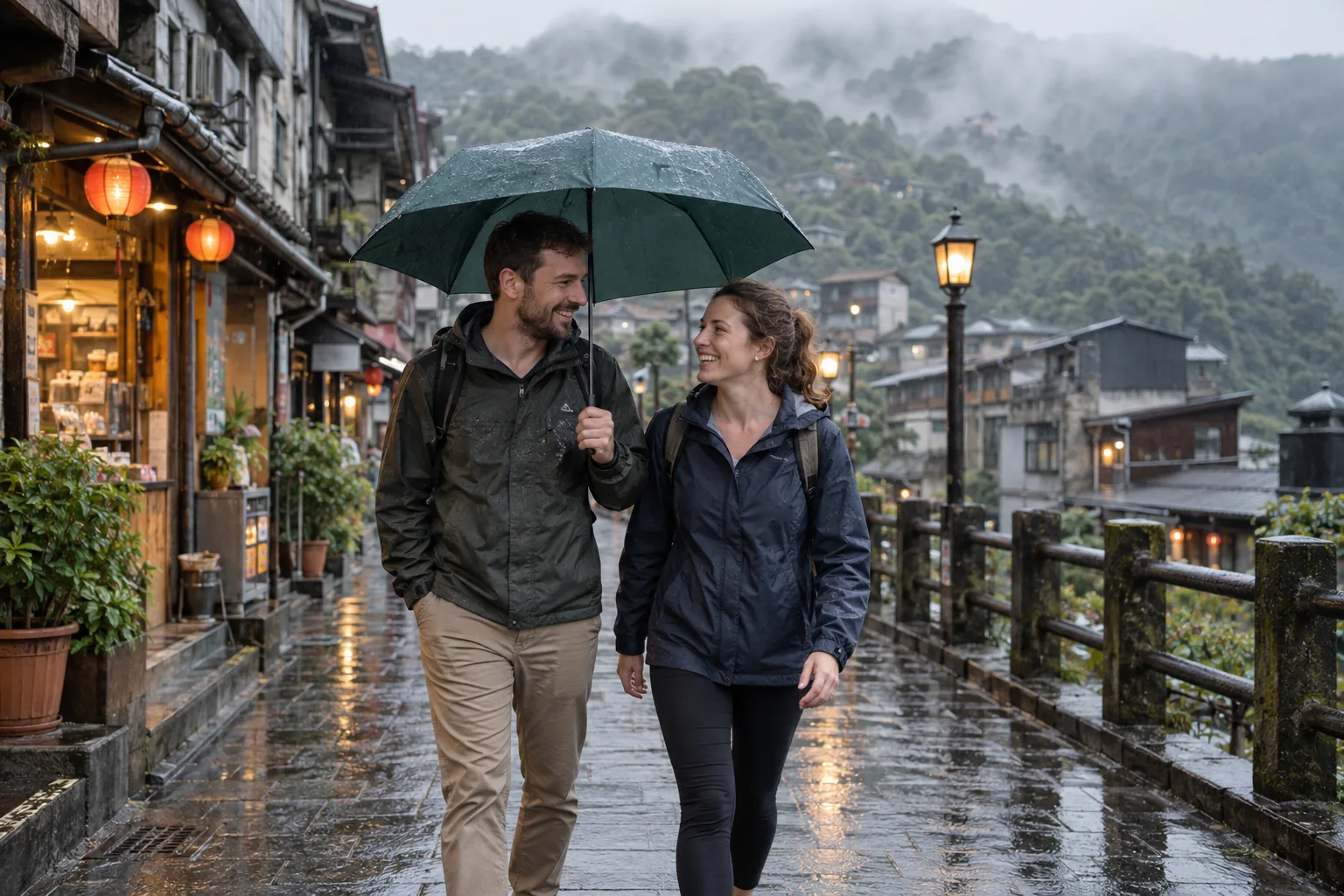
Typhoons are another summer and autumn concern. Travelers should pay closer attention to tropical weather from summer into autumn, especially when planning mountain, coastal, east coast, or island trips.
This does not mean a typhoon will affect every summer vacation. Many visitors travel during this period without meeting one. The problem is that a typhoon can change direction, speed, and strength, so it is difficult to know the effect many months ahead.
If a typhoon may affect Taiwan:
- Follow updates from Taiwan’s Central Weather Administration.
- Do not enter closed mountain or coastal areas.
- Check train, flight, ferry, and attraction notices.
- Keep one or two indoor activities as backup choices.
- Follow local safety instructions rather than trying to complete the original schedule.
A private driver can help adjust the order of stops during normal rain or changing weather. However, a private car cannot replace official safety rules or enter a road that has been closed.
Taiwan in Autumn: Comfortable Days for Exploring
For many visitors, autumn offers the best balance of comfortable weather and outdoor freedom. October and November are especially popular.
Daytime temperatures in many lowland cities are often around 22–28°C (72–82°F). The strongest summer heat has usually passed, making it easier to walk through old streets, visit markets, and spend longer periods outside.
Autumn is also a good time for longer road trips. You can travel from a city into the mountains without dealing with the same level of summer heat. Popular choices include Sun Moon Lake, Alishan, the northern coast, and the historic towns of central and southern Taiwan.
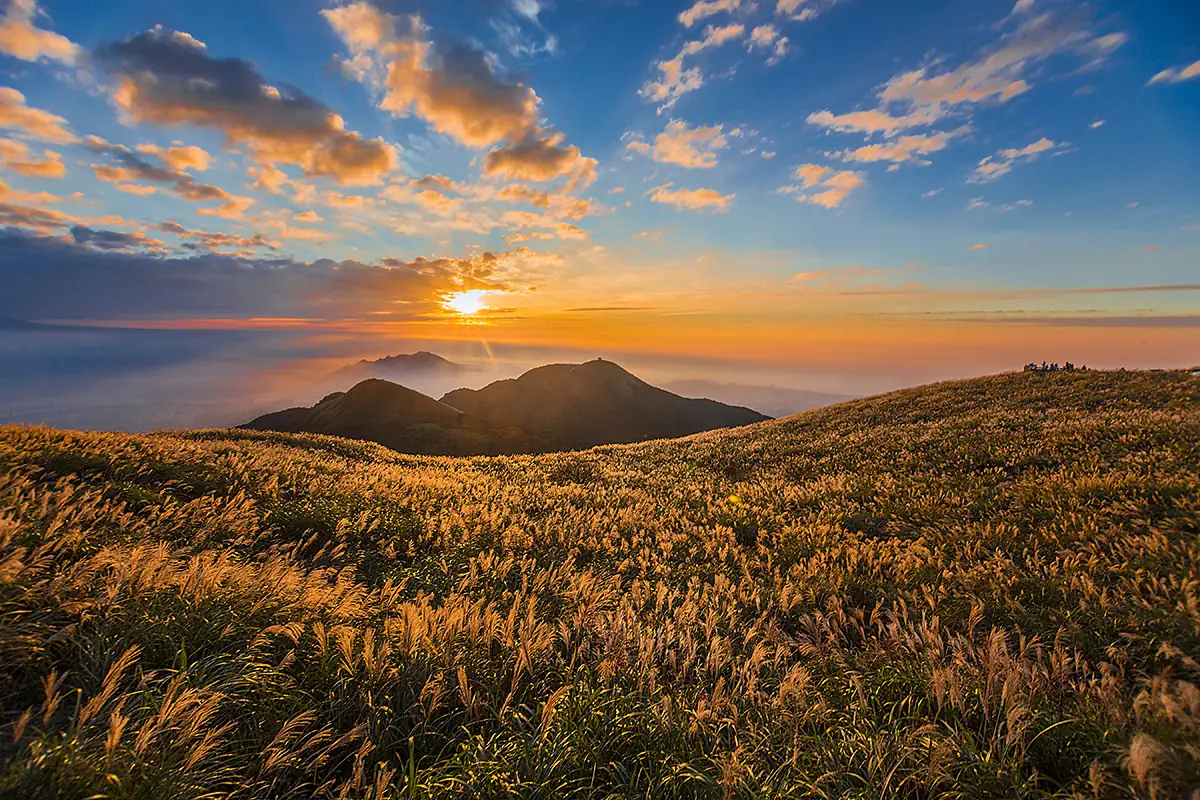
Northern and northeastern Taiwan can still be wet because of seasonal winds. September and early autumn may also be affected by tropical weather. Check the forecast before long mountain or coastal trips.
In northern Taiwan, autumn brings silver grass to Yangmingshan. James also has an autumn and winter Yangmingshan route that connects the mountain landscape with northern coastal stops and local seafood.
Taiwan in Winter: Hot Springs and Warm Food
Winter runs from December to February. Taiwan’s lowland weather stations have a winter average of about 18.7°C (66°F), but local temperatures vary.
In northern Taiwan, daytime temperatures are often around 13–20°C (55–68°F). Wind and rain may make it feel colder. Buildings also may not have the kind of central heating that visitors from colder countries expect.
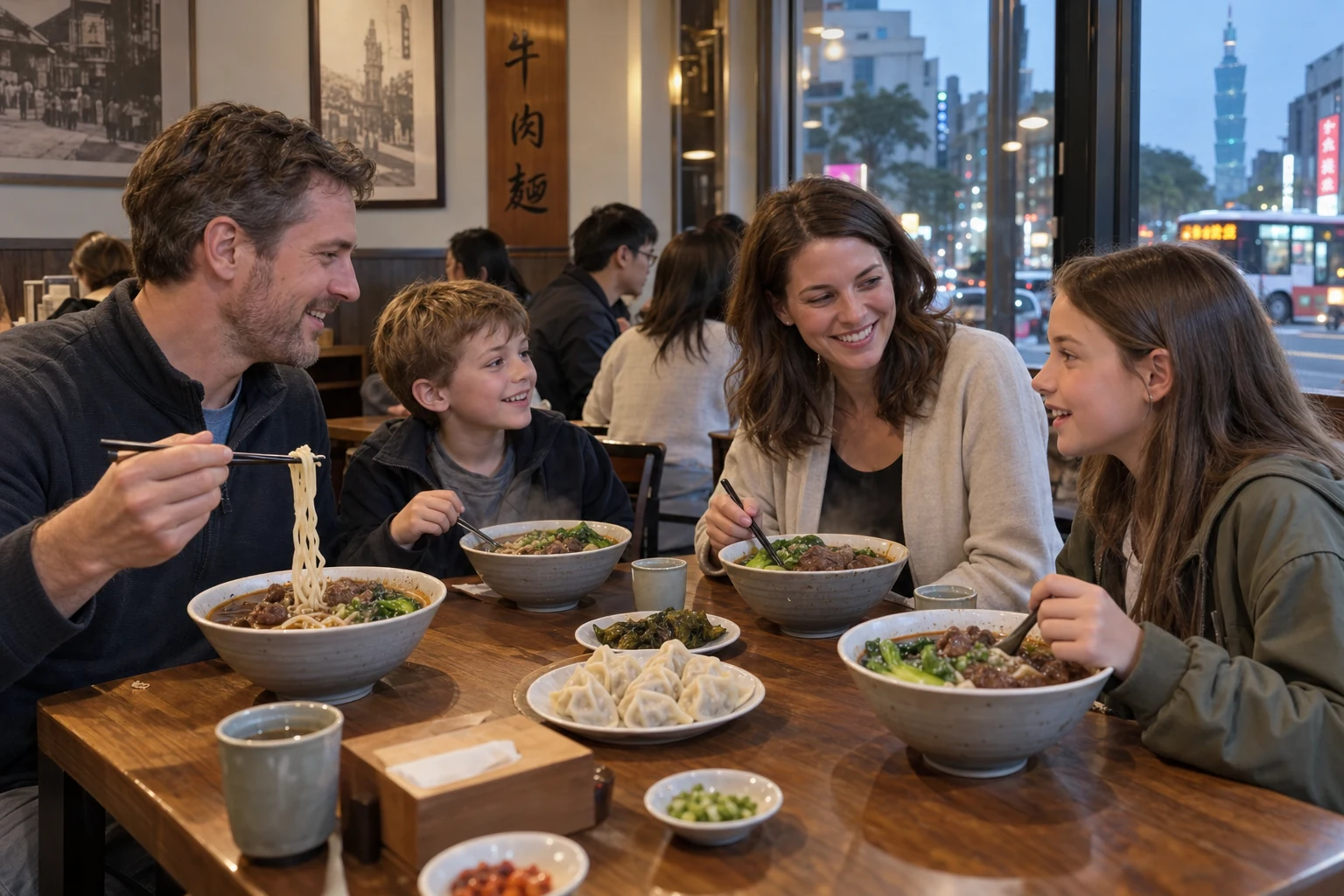
Southern Taiwan is usually warmer. Tainan, Kaohsiung, and Pingtung may enjoy daytime temperatures in the low to mid-20s Celsius (about 70–77°F). Evenings can still be cool, so bring a light jacket.
Winter is a wonderful time to enjoy Taiwan’s food. A cool evening feels much better with hot pot, beef noodle soup, dumplings, or tea. It is also the natural season for visiting hot springs in Beitou, Wulai, Guanziling, and other areas.
The period around Lunar New Year needs extra planning. The date changes every year, and many local residents travel during the holiday. Hotels and transportation may become busier, while some shops and restaurants may close or change their hours.

Best Time to Visit Taipei
For many first-time visitors, the best time to visit Taipei is from October to early December or from March to April.
Temperatures during these periods are commonly around 18–28°C (64–82°F), depending on the month. This is the kind of weather that invites you to visit a temple in the morning, stop for dumplings at lunch, and explore a night market after sunset.
Spring and autumn are also good for trips outside the city. Jiufen, Shifen, Yehliu, Yangmingshan, and the northern coast can all be reached from Taipei.
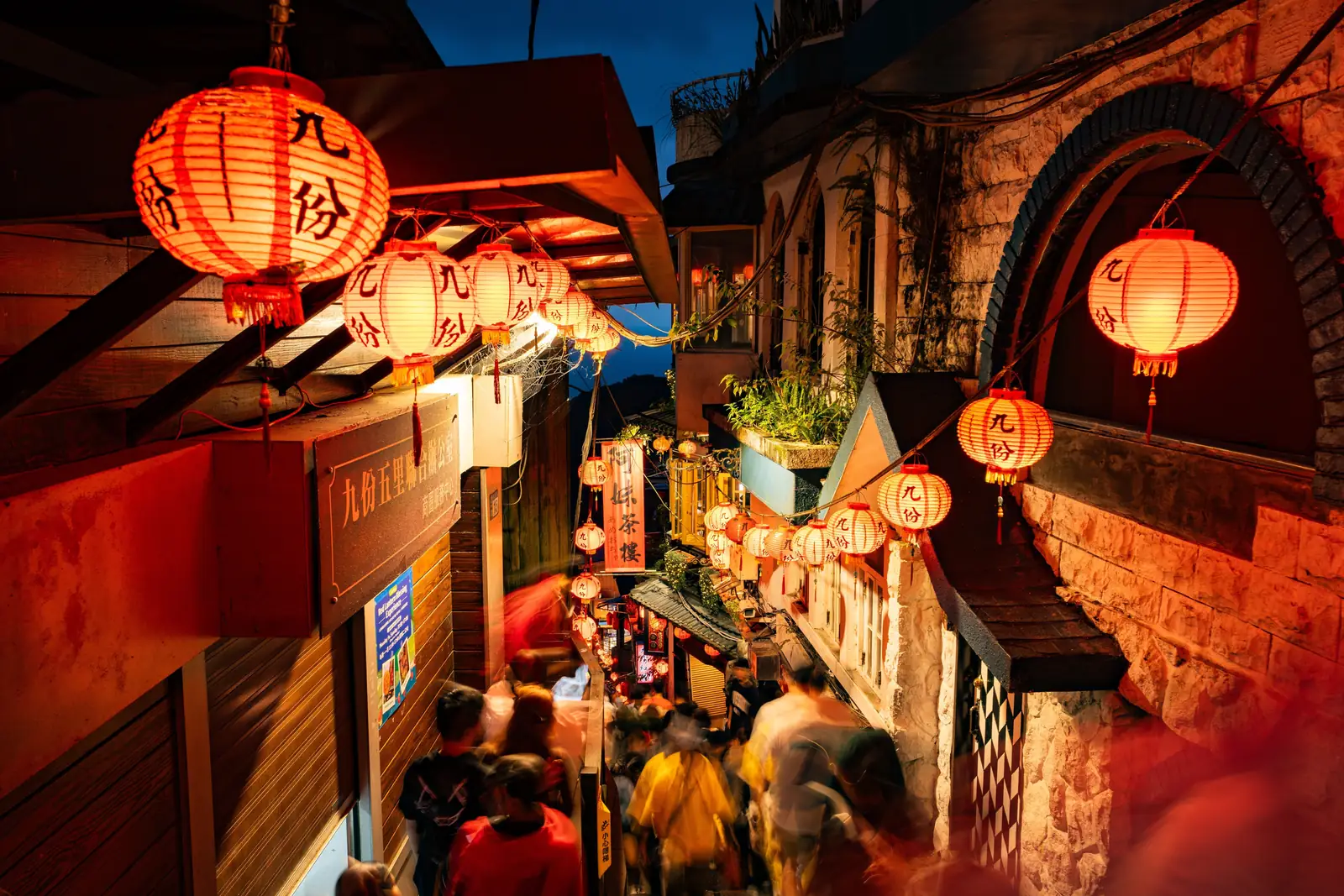
Summer in the city is hot and humid. Temperatures often rise above 30°C (86°F), and the sun can feel strong around midday. The city has many air-conditioned museums, malls, cafés, and restaurants, so a mix of indoor and outdoor stops works well.
Winter is cooler and often wetter. This does not make it a bad season. It simply changes the experience. You may spend more time enjoying hot food, visiting museums, and soaking in a hot spring.
For an easy day outside Taipei, the Jiufen and Shifen day tour can include Jiufen Old Street, Shifen Waterfall, the sky lantern experience, and other northern stops. The route can be adjusted based on weather, crowds, and the interests of your group.

Taiwan Weather December: What Should You Expect?
December can be a very good month to visit Taiwan. The summer heat is gone, and many parts of the island are comfortable for walking and sightseeing.
In Taipei, temperatures are often around 14–20°C (57–68°F). Some days are bright and mild. Others may be cloudy, windy, or rainy. Bring a light waterproof jacket and clothes you can wear in layers.
Jiufen, Shifen, and Yangmingshan can be cooler than central Taipei. Mist and rain are also more common in these hill and mountain areas. Comfortable shoes with a good grip are helpful.

Central and southern Taiwan are often warmer. Taichung may feel mild during the day, while Tainan and Kaohsiung can reach the low to mid-20s Celsius (about 70–77°F). This makes December a good time to visit old neighborhoods, temples, markets, and outdoor attractions without the strongest heat.
For mountain trips, pack more than you think you need. Alishan and other high areas can become cold after sunset, even when the city below feels warm.
December is especially good for:
- Hot springs in Beitou, Wulai, or Guanziling
- Taipei museums and night markets
- Jiufen and Shifen day trips
- Food and history trips in Tainan
- Scenic drives through central and southern Taiwan
- New Year celebrations in Taipei
Taipei becomes very busy around the New Year’s Eve celebration near Taipei 101. Book accommodation early if your trip falls at the end of December, and allow extra time for traffic and public transportation.
Best Time of Year to Visit Taiwan for Different Travelers
The best time of year to visit Taiwan becomes easier to choose once you know what kind of trip you want.
First-Time Visitors
October and November are strong choices for a first visit. The weather is often comfortable, and you can enjoy both cities and nature.
A first trip might combine Taipei with Jiufen and Shifen, followed by two or three days in central or southern Taiwan.
Families With Children
March, April, October, and November usually offer a better balance of temperature and outdoor comfort. Families can spend more time outside without the strongest summer heat.
A private car is helpful when traveling with a stroller, several bags, or children who need breaks during the day.
Travelers With Older Family Members
Late autumn, winter, and early spring can be more comfortable than summer. Avoid packing too many stops into one day.
Door-to-door transportation can reduce long walks between stations and make it easier to change the schedule when someone needs more rest.
Food and Culture Travelers
Taipei, Taichung, Tainan, and Kaohsiung can be visited throughout the year. Autumn through spring is usually more comfortable for long walks through markets and historic neighborhoods.
Summer is still possible, but plan indoor stops during the hottest part of the day.
Mountain and Nature Travelers
Spring and autumn often provide comfortable hiking temperatures, but mountain weather can change quickly in every season.
Always check local conditions. Heavy rain, fog, road work, or safety closures may affect a route even during a normally good travel month.
Seasonal Taiwan Trips With a Private Driver
Once you choose your travel month, the next step is matching the season with the right route.
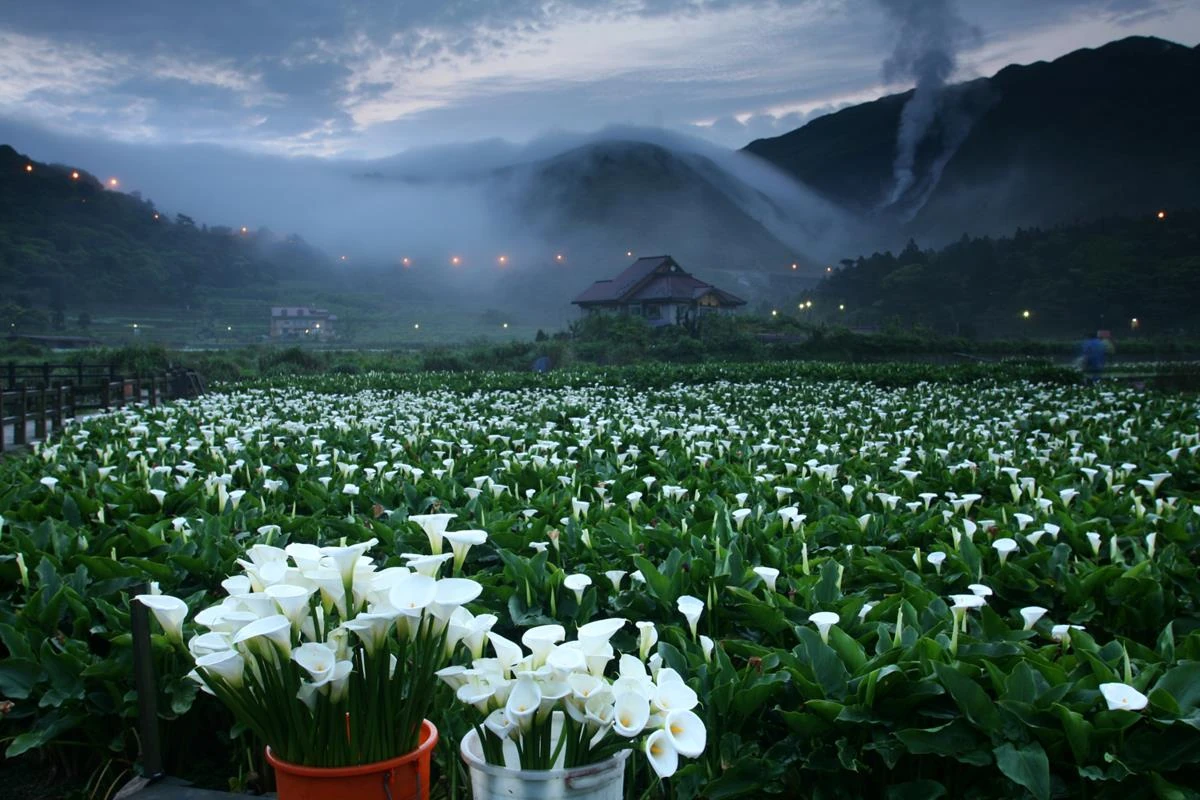
Spring: Taipei and Yangmingshan
Spend the morning enjoying seasonal flowers and mountain views in Yangmingshan. Continue to Beitou for a hot spring or visit the northern coast if the weather is clear.
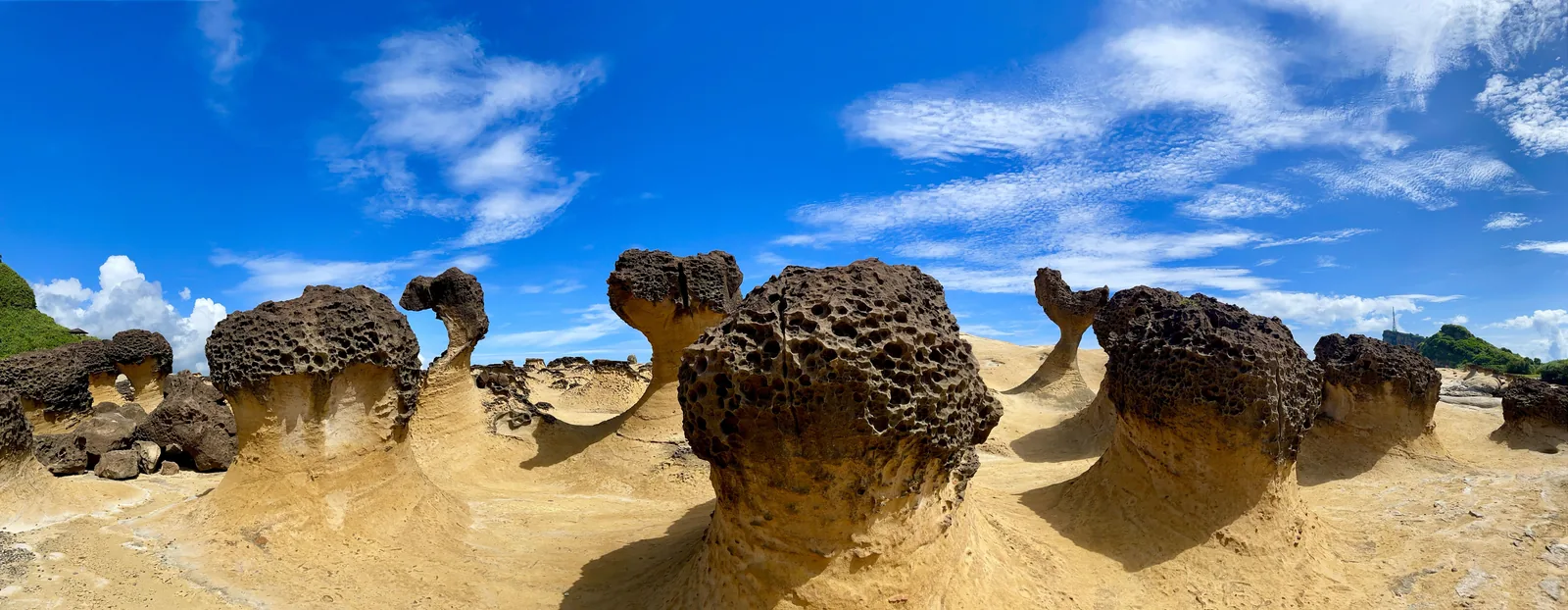
Summer: Taipei and the Northern Coast
Leave early to visit Yehliu and other coastal stops before the midday heat becomes strong. Add an indoor museum, a relaxed lunch, or an evening market later in the day.
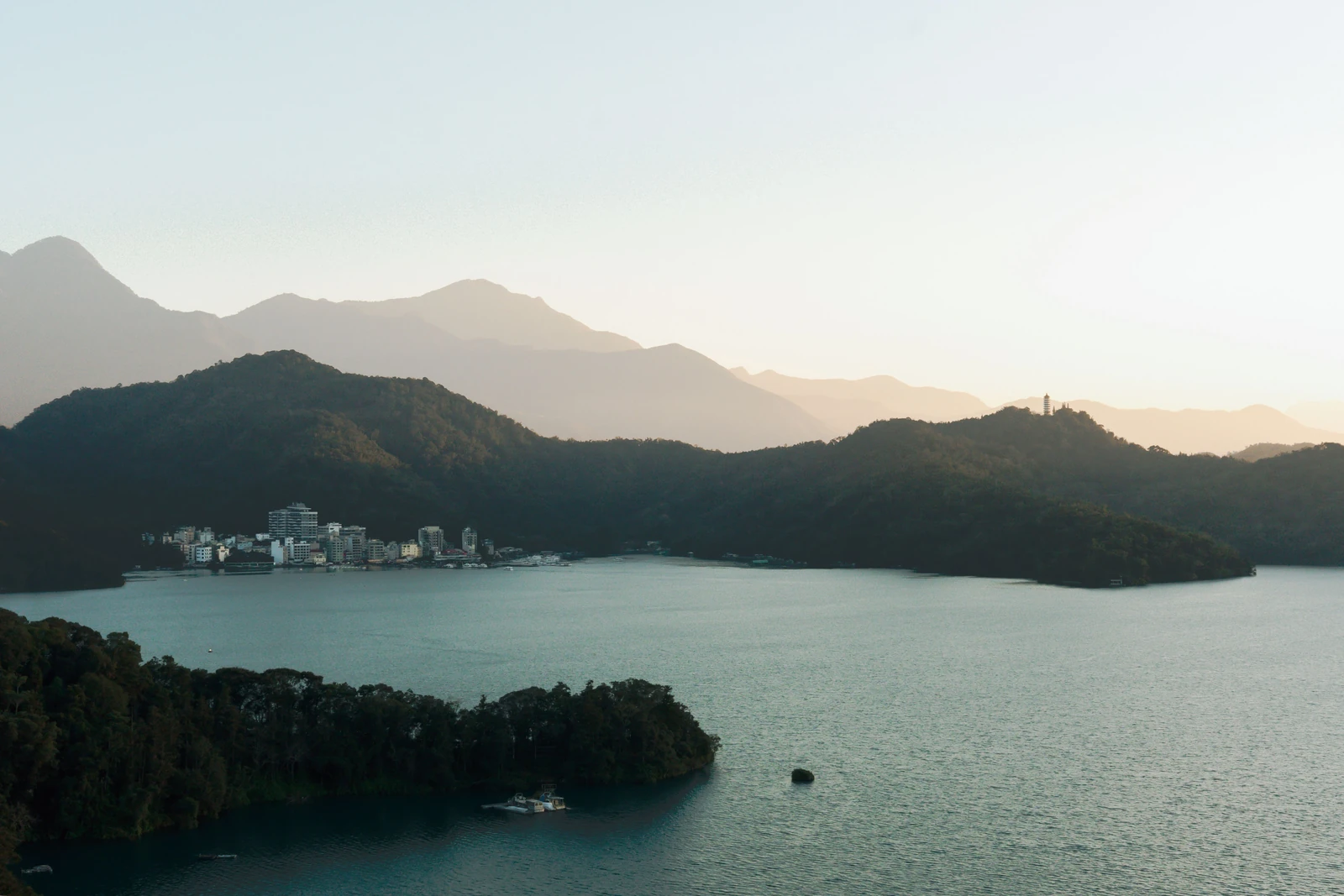
Autumn: Sun Moon Lake and Alishan
Cooler weather makes autumn a comfortable time for a longer trip through central Taiwan. Sun Moon Lake, tea country, forest scenery, and Alishan work well together over several days.
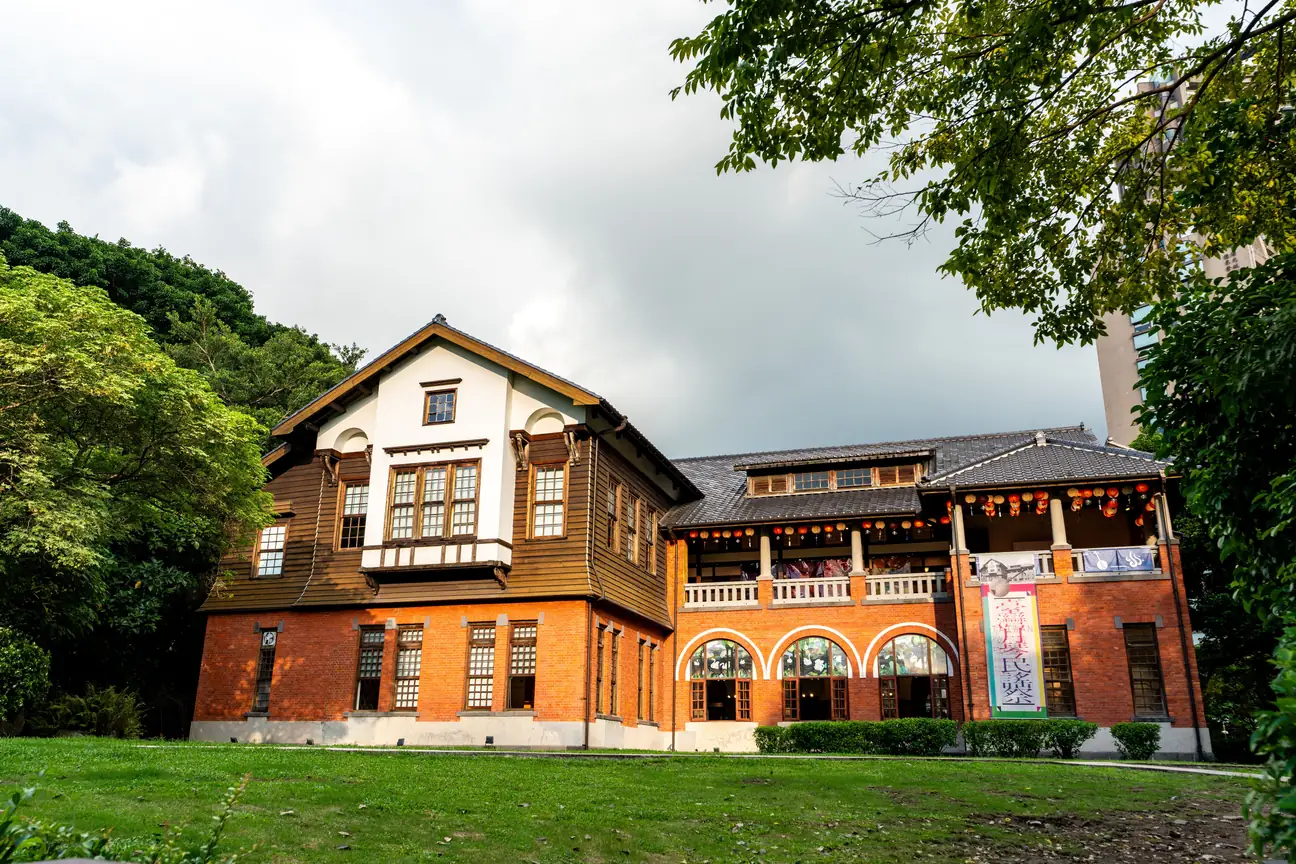
Winter: Beitou, Wulai, or Southern Taiwan
Stay near Taipei for a hot spring day in Beitou or Wulai. For warmer weather, travel south to Tainan, Kaohsiung, or Guanziling.
Travelers with limited time can also use James’s three-day Taiwan itinerary ideas to compare routes in northern, central, southern, and eastern Taiwan.
Frequently Asked Questions
October and November are often the easiest choices. Temperatures are usually comfortable for city walks, scenic drives, and outdoor sights. March and April are good alternatives for spring flowers and mild weather.
Yes. December is comfortable for sightseeing, hot springs, food trips, and travel through central or southern Taiwan. Taipei is cooler and may be rainy, while the south is often warmer.
No, but summer requires a different travel style. Expect temperatures around 29–33°C (84–91°F), high humidity, strong sun, and possible afternoon rain. Start early, take indoor breaks, and keep your schedule flexible.
You do not need to avoid the entire season, but you should follow weather reports and leave room for changes. Never enter closed roads, mountain areas, or coastal sites during a warning.
Five to seven days gives you time to enjoy Taipei and one or two nearby regions. Ten days or more works better if you want to include central, southern, or eastern Taiwan without rushing.
A private tour can be helpful for families, older travelers, groups with luggage, mountain trips, and days that include several places outside a city. It also gives you more freedom to decide how long to stay at each stop.
Plan Your Taiwan Trip Around the Season
So, when is the best time to visit Taiwan? For comfortable weather and a first look at the island, October to November and March to April are excellent starting points. Choose winter for hot springs and warmer southern cities. Choose summer for tropical scenery, fruit, and island energy—but be ready for heat and changing weather.
The season matters, but your route matters just as much. A cool December day in Taipei feels very different from a sunny afternoon in Tainan or a cold morning in Alishan.
Tell James Private Car Tours when you plan to visit, how many people are traveling, and which parts of Taiwan interest you. The team can help arrange a private route that fits the season, travel time, and pace of your group.